The world is producing more waste than ever, and modern societies can no longer rely on outdated disposal systems. As cities grow, industries expand, and households consume more, smart solutions are becoming essential. Today, the future of waste lies in smart bin hire, powered by technologies that make collection faster, cleaner, safer, and more sustainable. For companies like Sapbinhire, this shift represents a revolution in how communities manage rubbish.
The Evolution of Waste Management Technology
Over the past decade, waste management has shifted from basic manual collection to advanced, technology-driven processes. According to current global data, the world generates over 2.3 billion tonnes of waste annually, and this figure is expected to rise sharply by 2050. These numbers show why investing in smart waste management systems, digital waste tracking, and data-driven disposal methods has become a necessity.
Earlier systems focused only on picking up waste on fixed schedules. Today’s solutions use real-time monitoring, automated alerts, GPS routing, and AI-powered optimization to reduce inefficiencies. This evolution is the backbone of modern smart bin hire.
Smart Bin Hire Solutions and Their Benefits
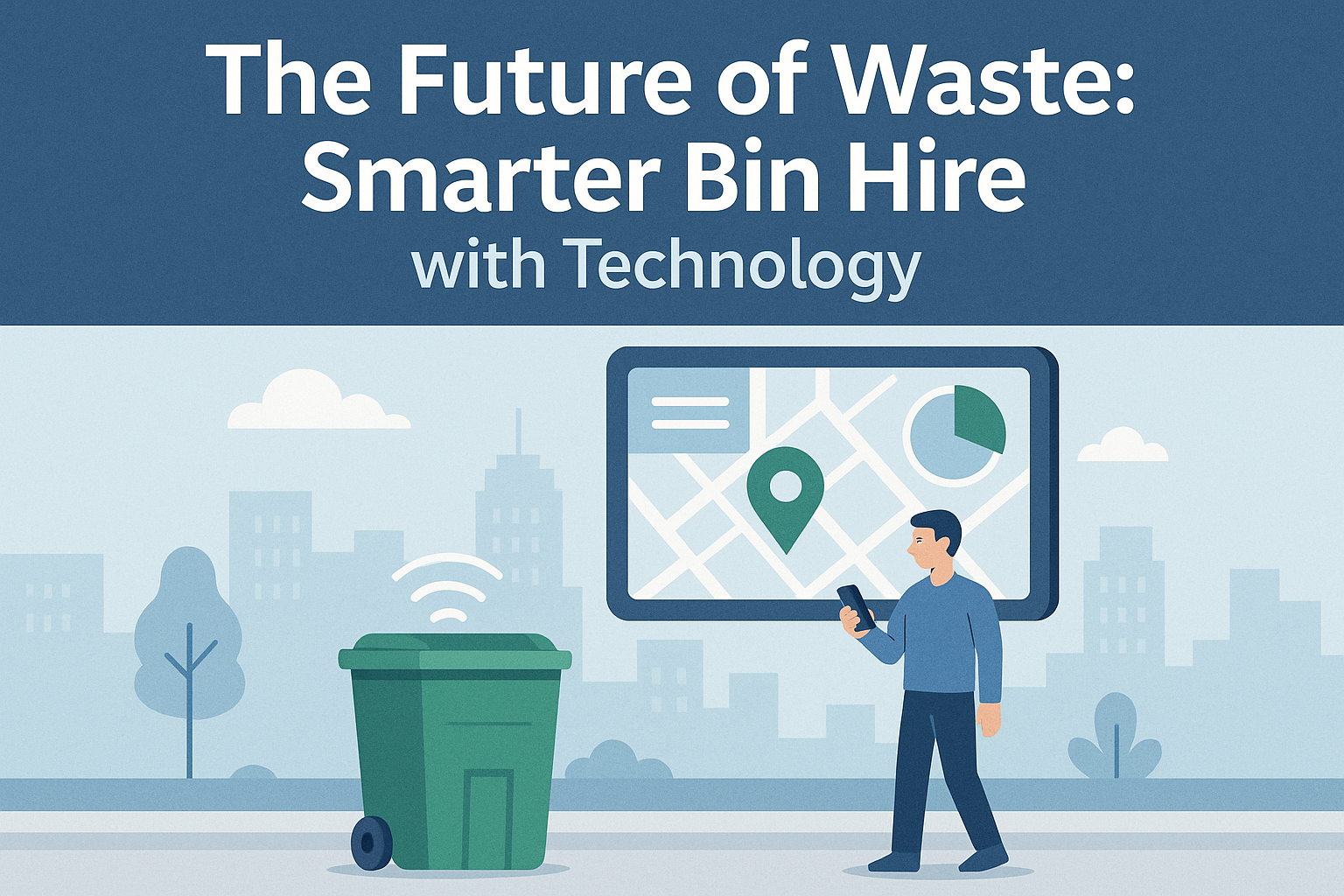
Smart bin hire services use technology to improve how bins are monitored, filled, and collected. These systems integrate IoT sensors, automated reporting, and data analytics to ensure bins never overflow and pickups happen only when required.
Key Benefits:
- Reduced operational costs because trucks only move when needed
- Cleaner neighbourhoods with fewer overflowing bins
- Less carbon emission, thanks to optimised routes
- Improved recycling rates through accurate waste categorisation
- Better customer experience, as users can track bin status in real time
Companies like Sapbinhire are driving this transformation by offering smarter, greener, and more responsive bin hire options for both homes and businesses.
The Role of IoT in Waste Management
The Internet of Things is at the centre of the smart waste revolution. IoT-enabled bins use sensors to measure fullness, monitor temperature, detect contamination, and even identify recyclable material. This data helps waste companies deploy trucks only when necessary, reducing fuel use and labour costs.
IoT also enhances public safety. For example, if a bin heats up due to chemical reactions, the system can alert teams instantly. This ability to react in real time is reshaping the waste sector.
Environmental Impact and Sustainability
Smart bin hire directly supports sustainability goals. With waste sorting, sensor-based recycling, and data-backed optimisation, the industry is reducing landfill dependence and increasing recycling efficiency.
Environmental advantages include:
- Lower greenhouse gas emissions
- Better segregation of recyclable material
- Reduced contamination in recycling streams
- Less illegal dumping
- Cleaner cities and improved public hygiene
In Australia, where sustainable waste handling is becoming a national priority, solutions like smart recycling bins, waste sorters, and waste analytics are proving essential.
Future Trends in Waste Management Technology
The coming years will see even smarter solutions, including:
- AI-powered waste prediction models
- Autonomous waste collection vehicles
- Advanced robotic sorting systems
- Blockchain-based waste tracking
- Digital twins for waste-flow simulation
- Smart recycling incentives for households
For companies like Sapbinhire, embracing these technologies ensures long-term service quality and environmental impact.
FAQs
1. How do smart bins help improve recycling efforts?
A. Smart bins use sensors and AI to detect recyclables, reduce contamination, and notify users when sorting errors occur. This leads to higher recycling accuracy and less landfill waste.
2. Are smart bin hire services expensive?
A. Not necessarily. Because smart systems reduce fuel use, manual labour, and unnecessary pickups, they often lower long-term costs for both service providers and customers.
3. Can smart bins learn community behaviour patterns?
A. Yes. With machine learning, bins can analyse peak usage times, common waste types, and recycling errors. This helps companies design better pickup schedules and educational initiatives.
4. Do smart bins store user data?
A. Smart bins store operational data like fill levels and material type but not personal identity data. This ensures safety and privacy.
Conclusion
The future of waste management is smart, sustainable, and deeply connected to technology. From IoT-enabled bins to AI-driven sorting, digital solutions are transforming how communities handle waste. For businesses and households seeking cleaner surroundings, lower costs, and better efficiency, smart bin hire is the next big step.
If you’re ready to experience modern, eco-friendly waste management with personalised service, choose Sapbinhire today.
Book your Skip bin hire now and be part of a cleaner tomorrow with Sapbinhire.