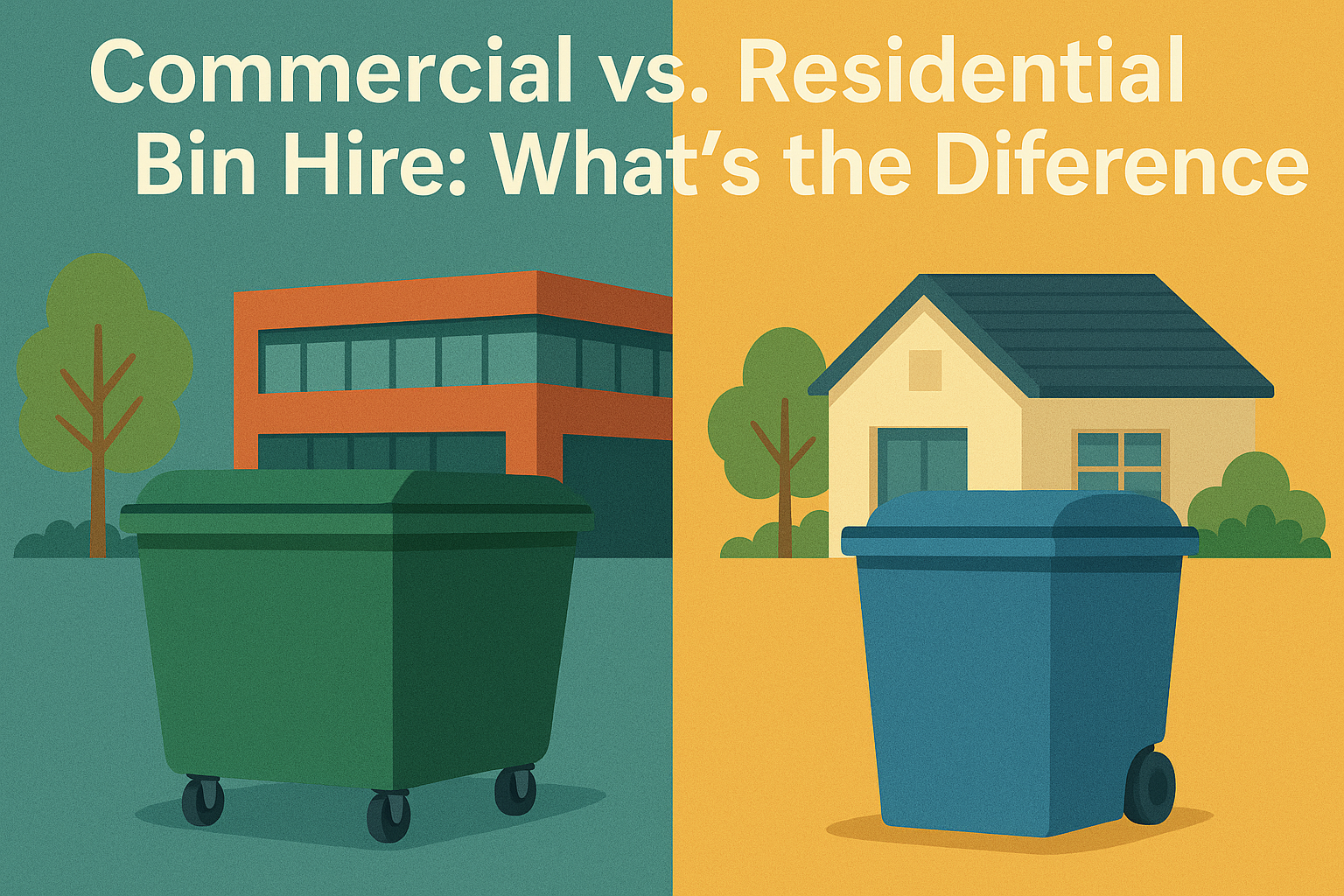
The right bin hire service for effective waste management can make a job easier, faster, and more cost-effective. Whether you are cleaning your home or running a large construction site, knowing the difference between commercial bin hire and residential bin hire will help you pick the best option.
This blog breaks it all down: features, costs, benefits, regulations, and even expert tips. At Sapbinhire, we specialise in the supply of reliable skip bins in Geelong, and this blog will help you make the right choice for yourself.
Definition and Overview of Bin Hire
Bin hire simply means the renting of skip bins within a set period for disposing of household waste, commercial waste, construction debris, or green waste. Companies like Sapbinhire deliver the bin at your place, let you fill it, and then collect and responsibly dispose of the waste.
Two broad categories exist:
- Residential bin hire: for home projects
- Commercial bin hire: for business, industrial, or construction activity
Both plant types follow basically the same procedures but differ in scale, capacity, regulations, and cost.
Key Differences Between Commercial and Residential Bin Hire
1. Bin Sizes and Weight Limits
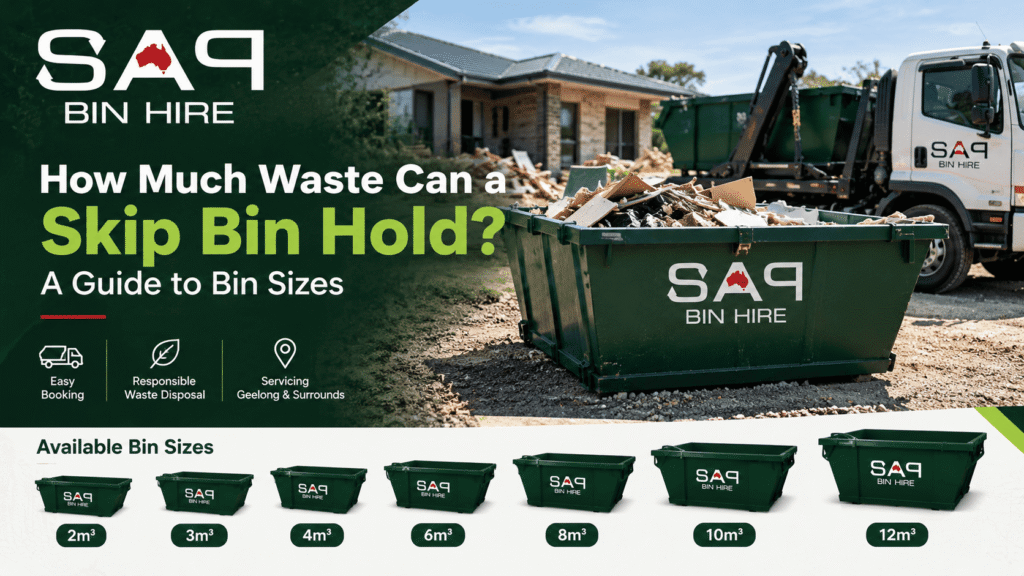
- Residential bin hire can include smaller bins like 2m³, 3m³, and 4m³, ideal for spring cleaning, cleaning up clutter, and cleaning the garden.
- Commercial bin hire has larger options, such as 8m³, 10m³, 12m³, and even 20m³, for heavy waste, demolition, or ongoing site use.
Most commercial projects require high-capacity bins because they often contain heavy material like concrete or metals.
2. Regulations and Compliance
Waste from commerce has to follow stricter rules with regards to hazardous waste, construction waste sorting, and EPA guidelines. Every business has to follow the local council’s rules, reporting requirements, and safety standards.
3. Types of Waste
- Residential: household junk, appliances, clothing, furniture, green waste
- Commercial: construction debris, metals, plaster, pallets, industrial packaging, and mixed construction waste.
4. Pricing Structure
Commercial pricing depends on the following:
- Bin size
- Waste type
- Weight limits
- Tenure of appointment
- Compliance needs
Residential pricing is simpler and generally lower.
Factors to Consider When Choosing Bin Hire Services
Before booking a skip bin, consider:
- Type of project (home clean-up vs. construction)
- Bin size and expected waste volume
- Local council rules for bin placement
- Budget
- Duration of the project
- Accessibility for trucks to drop off and pick up
Choosing the right bin upfront avoids extra costs and re-hire charges.
Benefits of Each Type of Bin Hire
Residential Bin Hire
- Affordable pricing
- Easy to book and flexible duration
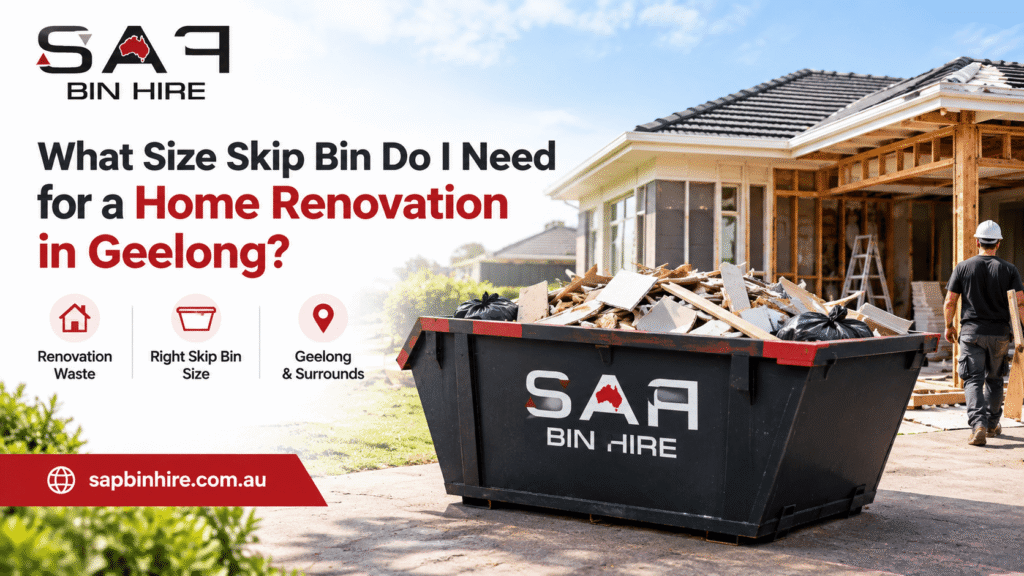
- Perfect for decluttering, moving homes, or small renovations
- Supports responsible disposal of household waste
Commercial Bin Hire
- Large capacity for high-volume waste
- Stronger bins built for heavy materials
- Suitable for long-term contracts
- Helps businesses stay compliant with waste regulations
- Supports sustainable waste management at scale
Common Misconceptions About Bin Hire
- “Skip bins are only for construction waste.”
Many households use bins for small decluttering, garage clean-outs, and garden waste. - “All waste can be thrown into one bin.”
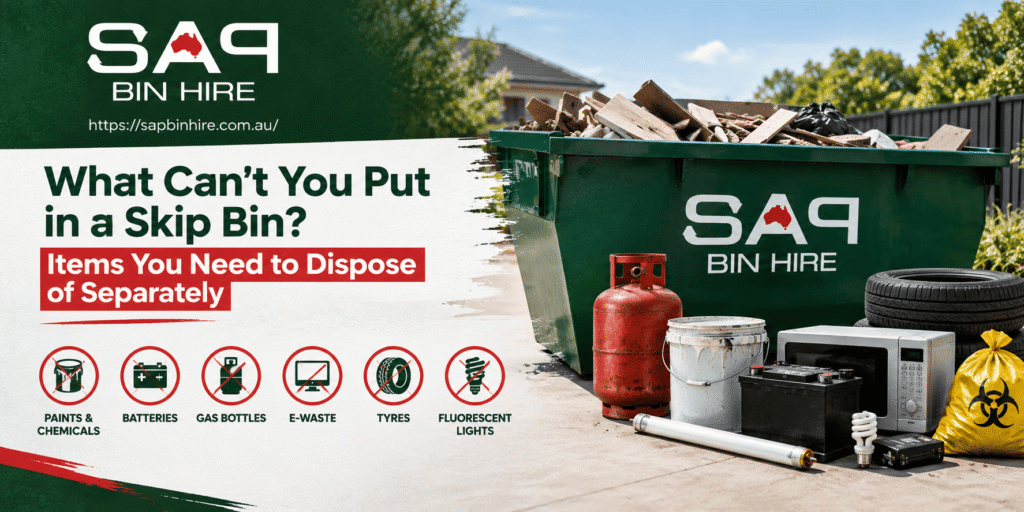
Materials like chemicals, paints, tyres, and batteries require special handling.
Environmental Impact of Bin Hire Services
Skip bin services can help greatly in reducing landfill waste. Most modern bin hire companies, like Sapbinhire:
- Separate recyclables
- Follow EPA Victoria guidelines
- Reduce greenhouse emissions by optimizing transport routes
- Promote sustainable waste management
According to Australian waste data, the commercial sector produces nearly twice as much waste as households do, so environmental protection needs proper bin hire.
Tips for Efficient Waste Management
- Separate recyclables before loading
- Choose the appropriate bin size for your project
- Fill bins evenly to maximize space.
- Avoid overloading past the rim.
- Book bins early during peak seasons like spring.
FAQs
1. How do I choose the right bin size?
A. Estimate your waste volume. A small home project may need a 2m³–4m³ bin, while construction sites require 8m³–12m³. Sapbinhire offers guidance based on your project details.
2. How long can I keep the bin?
A. Most hires last 3–7 days for residential use, while commercial hires may run for weeks or months. Sapbinhire provides flexible hire periods.
3. Can skip bins be used for events?
A. Yes. Markets, festivals, and community events often hire bins to manage waste efficiently.
4. Do bin hire companies recycle the waste?
A. Responsible operators like Sapbinhire sort and recycle metals, green waste, plastics, and cardboard to reduce landfill.
Conclusion
Whether you need commercial bin hire or residential bin hire, the right service depends on your project size, waste type, and budget. Sapbinhire delivers reliable, affordable, and environmentally responsible solutions for homes and businesses across Geelong.
Book your skip bin today at Sapbinhire and make waste removal simple, clean, and stress-free.