Landscaping jobs bring beauty, but there is a serious issue with waste management behind every clean finish. Soil excavation, turfing waste, and green waste disposal can be the factors that slow down landscaping projects and increase their costs. Many landscapers find themselves struggling not because of poor project planning but because of the wrong skip bin hire for landscaping waste.
This blog will provide you with genuine and effective skip bin tips that will help landscapers manage waste, avoid fines, save time, and minimize costs. These tips are developed based on real landscaping site experiences, not theories.
You will learn how to select the right skip bin for soil and turf, how to load it effectively, how to separate landscaping waste, how to strategically order skip bins, and how to manage green waste.
1. Choose Skip Bins based on weight of waste, not landscaping job size
Heavy materials need better planning
Landscapers often order skip bins based on the volume of waste, but soil and turf are heavier than they appear. Heavy soil, clay soil, and turf with roots are very heavy and can easily go over weight limits, causing the return of skip bins and extra costs.
- Order skip bins for soil waste, not mixed waste skip bins
- Consider the weight of moisture, especially after a rain
- Order smaller skip bins for heavy materials and larger skip bins for light green waste
- Check weight limits before ordering skip bin hire services for landscapers
This approach prevents penalties and ensures smooth waste removal.
2. Load soil evenly to maximize kip bin capacity
Smart loading will save money
Loading soil properly is as important as the size of the skip bin. Improper loading of soil causes unstable skip bins, transportation problems, and safety hazards.
- Load soil evenly on the floor of the skip bin
- Load heavy waste at the bottom and light materials at the top
- Do not load soil in one corner of the skip bin or overfill the skip bin edges
- Break compacted soil to eliminate unnecessary weight
Proper loading of soil helps in efficient soil waste pickup and prevents pickup delays.
3. Process Turf separately from green waste for improved disposal results
Not all green waste is the same, they differ.
Turf is a mixture of soil, roots, and water, making it heavier and more difficult to dispose of compared to other green waste. Inappropriate disposal of turf can result in higher disposal charges.
- Utilize a turf removal skip bin
- Turf should not be mixed with other green waste materials such as branches, leaves, and hedge trimmings
- Do not mix turf with green waste skip bins due to the presence of high amounts of soil
Comply with local waste regulations to avoid incurring reclassification charges.
4. Time skip bin hire to match each phase of project
Bins should support workflow, not interrupt it
Too early or too late bin placement causes unnecessary site congestion and delays.
- Schedule skip bin hire for landscaping projects to match excavation and clearing work
- Remove bins before final landscaping and turfing
- Coordinate pickups to avoid blocking access points
- Short-term bin hire minimizes rental costs and site clutter
Timing is everything to keep worksites safe, organized, and productive.
5. Make green waste a sustainable advantage
Eco-friendly practices build credibility
Green waste does not have to be sent to the tip. It can be recycled into mulch or compost if separated correctly.
- Use clean green waste skip bins for branches and leaves
- Do not mix with soil or plastics
- Practice eco-friendly waste management
- Build your professional reputation with clients and councils
Eco-friendly waste management practices add long-term value to landscaping businesses.
FAQs
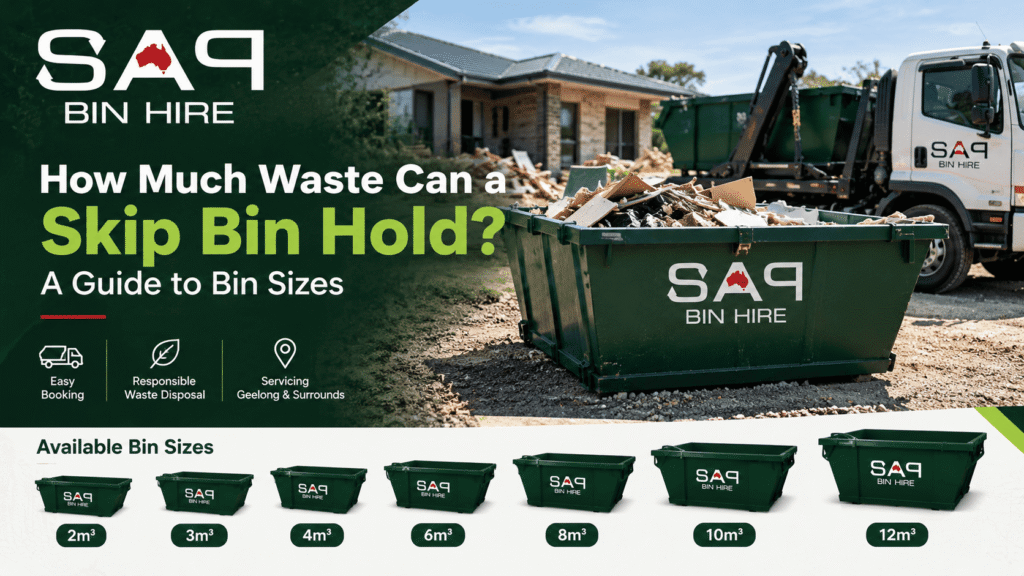
The correct skip bin size for landscaping waste depends on the type of waste. Soil and turf need to be placed in smaller skip bins because of weight restrictions, whereas green waste can be placed in larger skip bins designed for volume.
Placing soil and green waste in the same skip bin for landscaping waste is more costly to process and will likely result in overweight charges. It is always more economical to separate the waste.
Turf is generally considered heavy organic waste because of its soil and root content. A separate skip bin is often required for the removal of turf waste for proper processing.
Overloading, unbalanced loads, restricted materials, and the weight of wet soil are some of the reasons why skip bins are rejected during collection. Effective loading and the right skip bin hire for landscapers will eliminate most of the rejections.
Conclusion
This blog provides information for landscapers with the skills to excel at soil disposal, turf waste management, and green waste disposal through effective skip bin solutions. By selecting the right skip bin, loading it correctly, segregating materials, and timing, landscapers will have better control over their project’s flow and expenses.
At Sapbinhire, we provide effective skip bin hire solutions for landscapers specifically designed for soil, turf, and green waste. If you are looking for efficient service without any extra charges and delays, visit our website, book your skip bin, select the right bin for your project, and follow us on Instagram for expert waste management advice.